

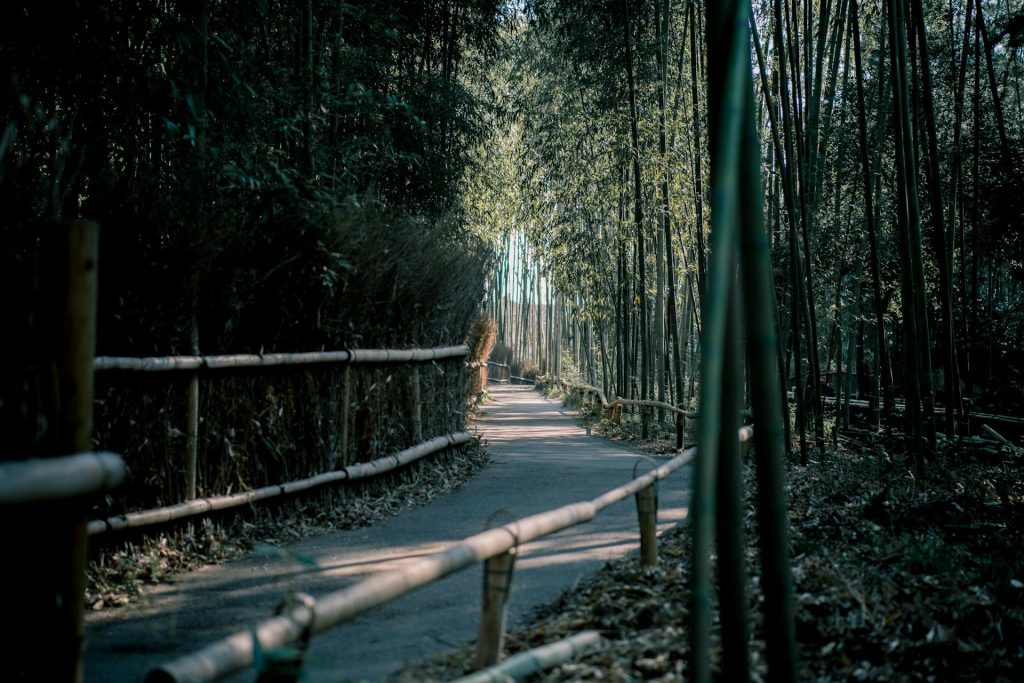
Bamboo is more than just a natural material. Across Asia, especially in Bali and other parts of Indonesia, bamboo has played a central role in daily life, spiritual rituals, and sacred architecture for centuries. Its presence is deeply woven into history, belief systems, and sustainable living practices.
Historically, bamboo was one of the earliest materials used by ancient civilizations for housing, tools, musical instruments, and ceremonial objects. In Bali, bamboo has long symbolized harmony between humans, nature, and the spiritual realm. Temples, offerings, and ritual decorations often incorporate bamboo because it represents flexibility, resilience, and purity.
From a spiritual perspective, bamboo is believed to carry clean energy. Its hollow structure symbolizes openness and humility, allowing positive energy to flow freely. In Balinese Hindu philosophy, bamboo reflects the concept of Tri Hita Karana—the balance between God, humanity, and nature. This is why bamboo is commonly used in sacred spaces and spiritual retreats.
Today, bamboo continues to hold spiritual relevance while also becoming a global symbol of sustainability. Its fast growth, low environmental impact, and natural beauty align with modern values of conscious living. At spiritual destinations like Damuh Alam, bamboo is not only a building material but a reminder of ancient wisdom that encourages mindfulness, balance, and respect for nature.